Lunch plans at 10 a.m. Dinner plans at 2 p.m. There's a name for that.
For the person who plans every meal in the house, the chatter about food may not be a willpower problem. Here's where a clinician fits in.
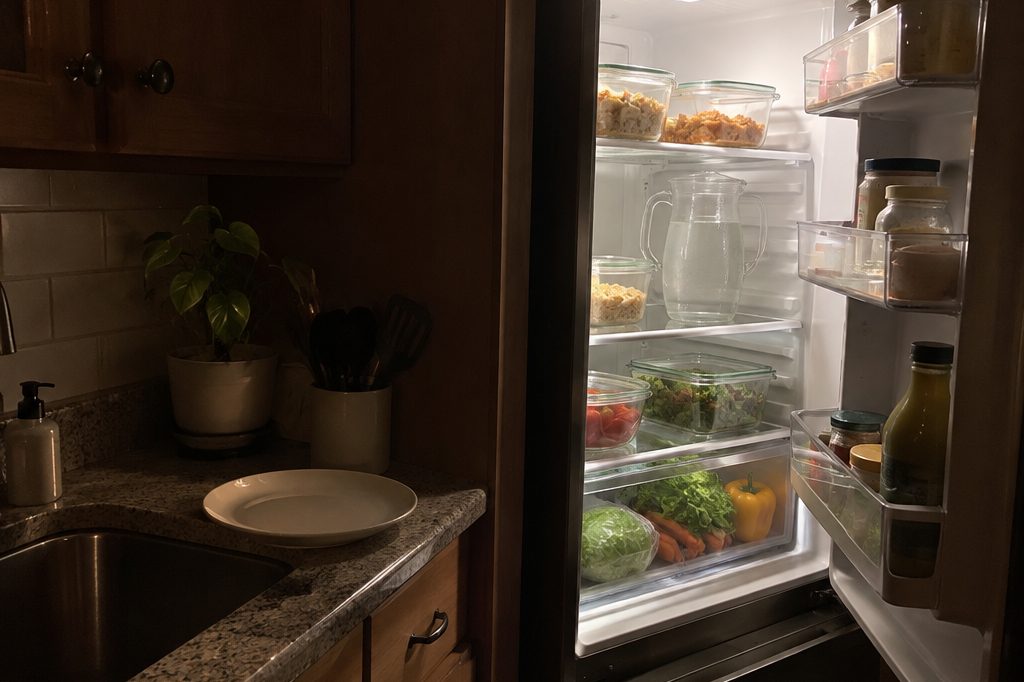
It's 9:40 at night. Dinner was two hours ago, the dishes are done, and the fridge door is open again. Not because anyone is hungry. Just to check.
She's the one who plans every meal in the house. The grocery list, the school lunches, what's thawing for tomorrow. Breakfast isn't cleared before lunch is being planned, and the pantry gets a "quick look" on every pass through the kitchen.
Illustrative.
"It must be me"
Feeding a household means thinking about food all day for other people. For some, the thinking never switches off when the kitchen closes. A new rule helps for a while, then a busy week arrives and the chatter comes back.
So they land on the same conclusion: not enough willpower. That conclusion is where most people stop asking for help. It's also where the story usually goes wrong.
What food noise actually is
Food noise is the constant background chatter about food: planning the next meal during this one, thinking about the pantry at night, wanting something again an hour after a full plate.
It isn't simply a choice. The gut and the brain trade hunger and fullness signals all day, and stress, short sleep and changing hormones can turn those signals up. For many people, willpower alone may not be enough to argue with those signals for long.
"Isn't getting help just cheating?"
It's the most common worry, and it doesn't hold up. People wear glasses without calling it cheating. They take blood-pressure medicine and see a doctor about sleep. Appetite is a health question too, and it has medical options.
One of them is GLP-1 care. GLP-1 is a hormone the body makes after eating, and GLP-1 medications are studied for their role in those hunger and fullness signals. How a person responds varies, and everyday choices still matter. A licensed clinician looks at the whole picture first and says honestly if it isn't the right fit.
How Forged Chrome works

Clinician-guided GLP-1 care
- Free online visit, about 10 minutes
- Compounded GLP-1 medication from a licensed pharmacy, if prescribed
- Reviewed by a licensed clinician, usually the same day
- Unlimited care-team messaging, most replies the same day
- $159/mo, the same price at every dose
- Tell us about youA short online visit about health and goals. About 10 minutes, from a phone.
- A licensed clinician reviews itUsually the same day. They decide whether GLP-1 treatment is appropriate, and some states also require a brief video call.
- Treatment at the door, if prescribedFree next-day shipping in plain, discreet packaging, with a dosing card, syringes and alcohol pads.
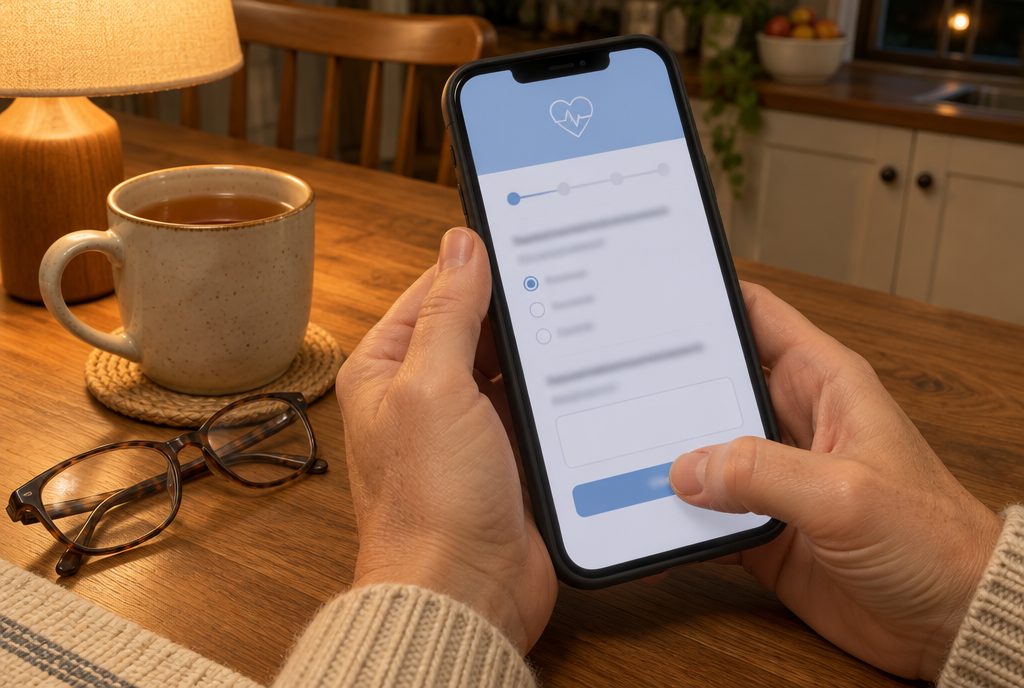
Not sure it's food noise?
Seven straight answers to the questions people ask before a first visit, from "what is food noise, exactly?" to what it costs.
Read the 7 questions →About 4 minutesQuestions people ask first
What should someone expect?
That's a conversation with the clinician, who reviews the online visit before anything is prescribed and sets and adjusts the dose based on how it's going. Experiences vary.
What does it cost, and does the price change?
$159/mo, the same at every dose step. The clinician, medication, supplies and shipping are included. No consult fees, no membership, and HSA and FSA cards are accepted.
What if it isn't the right fit?
A plan can be paused or cancelled in two clicks from the portal before the next renewal. No retention calls.
Who answers questions later?
The care team can be messaged any time, and most replies come the same day.
Where does the medication come from?
It's prepared by a licensed pharmacy. Compounded medications are not FDA-approved.
Questions about food noise? Start with a clinician.
- Clinician, medication, supplies and shipping included
- No consult fees · no membership
- HSA and FSA cards accepted
- Pause or cancel in two clicks before the next renewal